Can Hospitality Strengthen What It Depends On?
Hospitality is often described as service.
Rooms. Food. Experience.
But structurally, hospitality depends on three primary conditions:
Landscape.
Culture.
Community.
Remove any one of them, and the destination weakens.
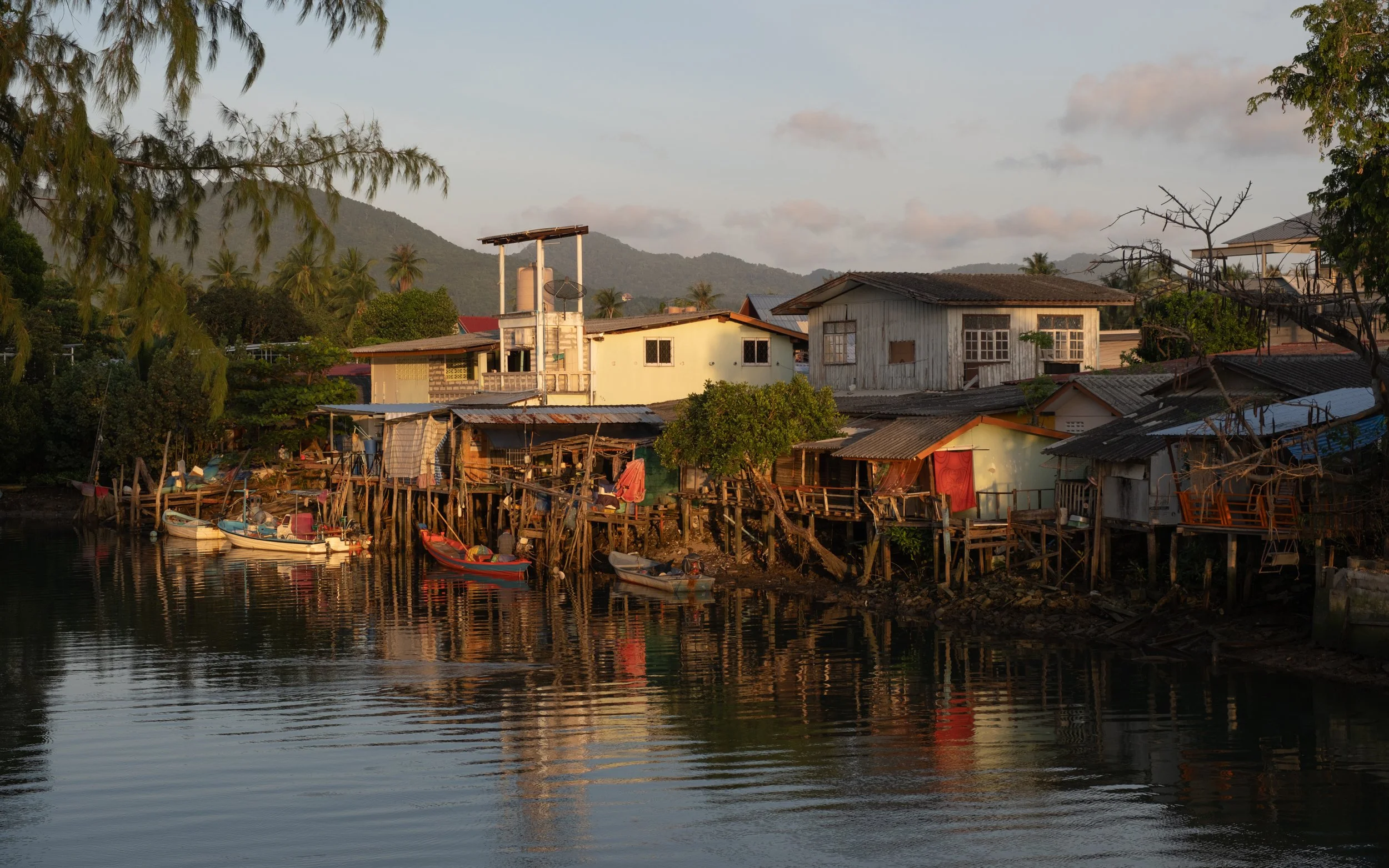
In coastal regions — whether Mediterranean islands or northern fishing villages — the landscape is not decoration. It is economic infrastructure. The coastline, the light, the climate, the terrain — these are the assets that give a place value.
Culture functions similarly. Craft traditions, food practices, seasonal rhythms, social structures — these create difference. Without difference, there is no reason to travel.
Hospitality monetizes both.
The question is not whether it depends on them.
It does.
The question is whether it reinforces them — or extracts from them.
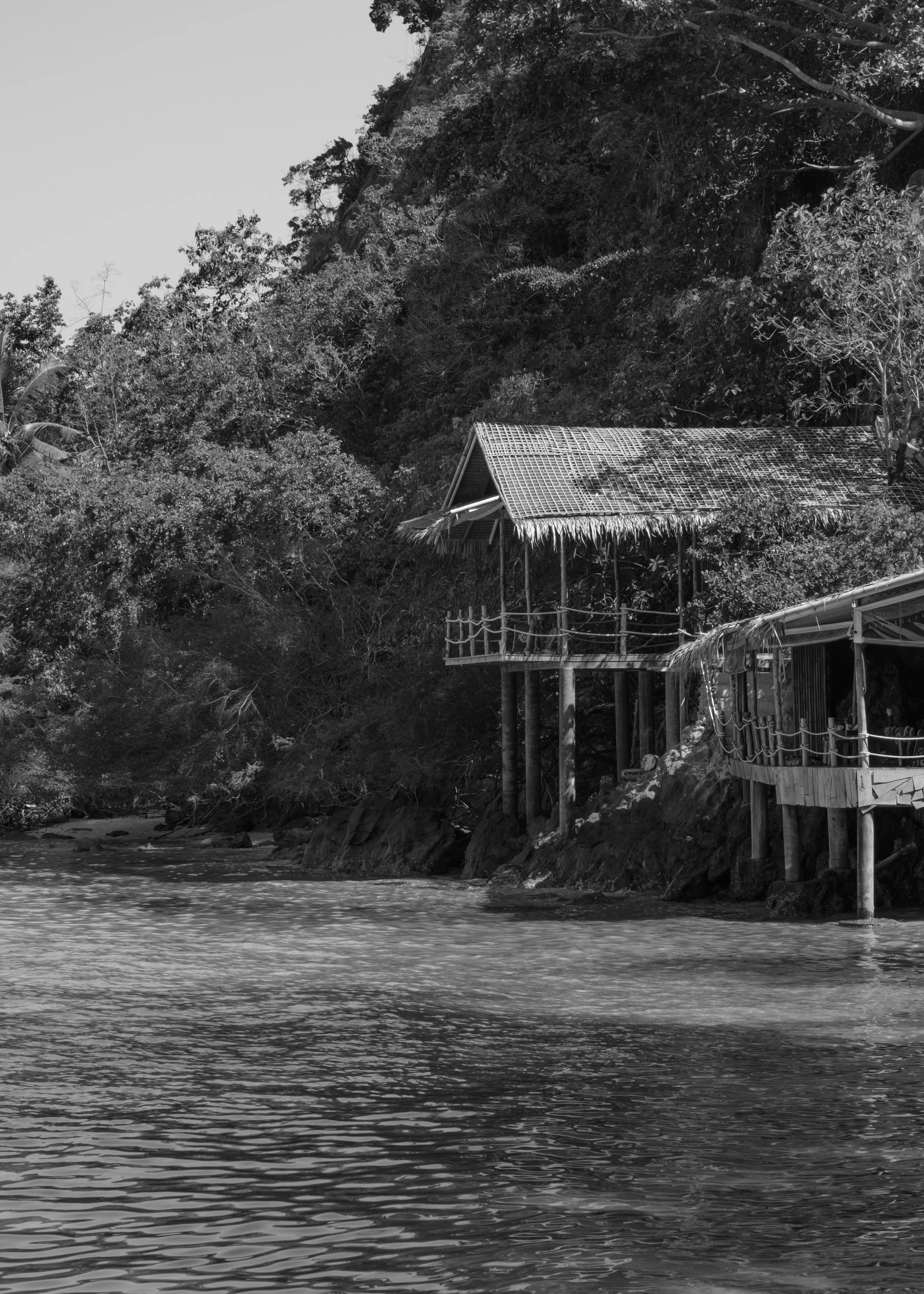
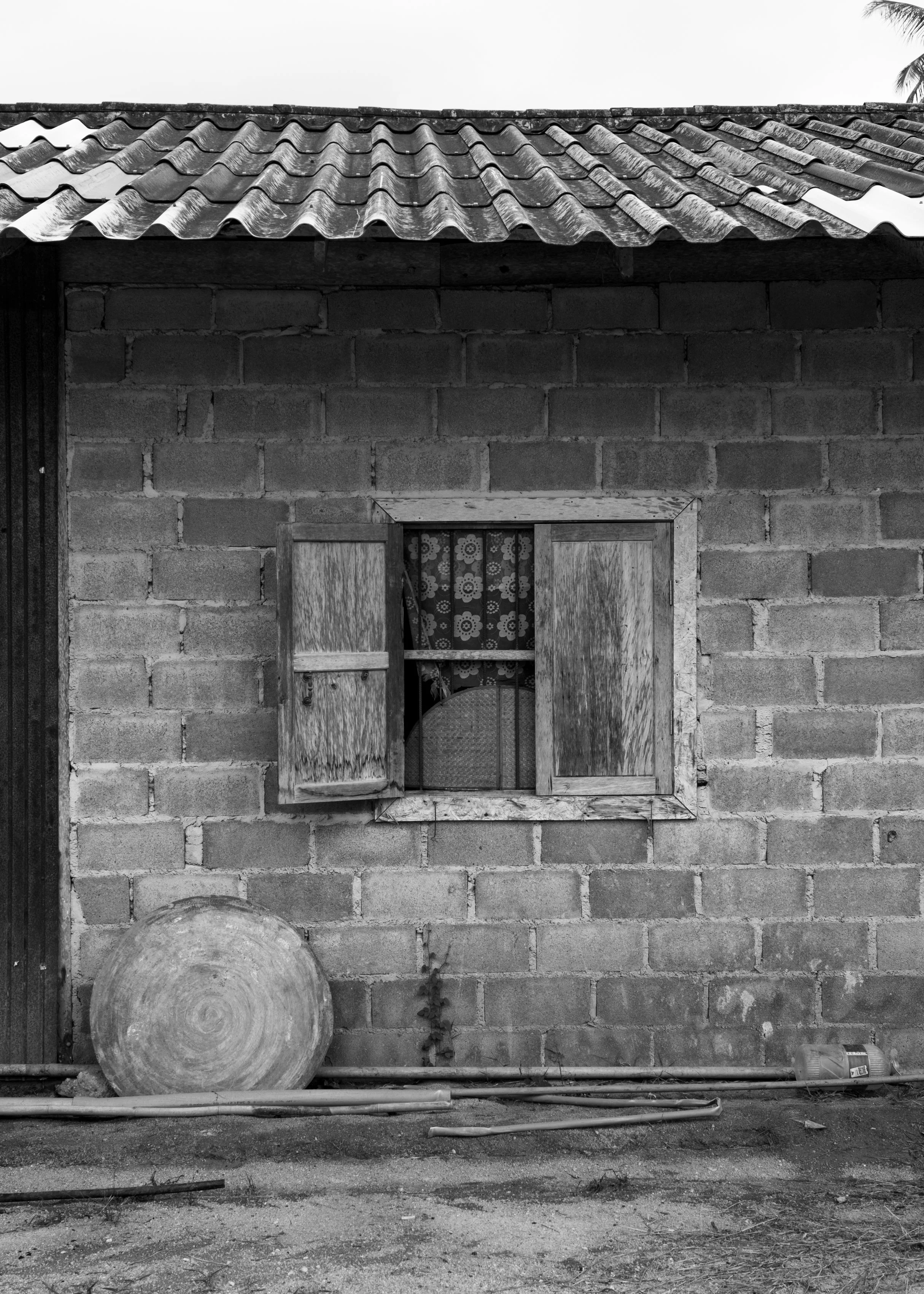
Architecture plays a role in this relationship.
When buildings ignore local climate, materials, and scale, they detach from context. They become transferable. Generic.
Generic architecture weakens place identity.
And when identity weakens, long-term value declines.
The same applies economically.
If labor, sourcing, and knowledge are imported rather than integrated locally, hospitality becomes externally driven. Short-term gain replaces continuity.
This is not a moral argument.
It is structural.
A place that loses cultural coherence eventually loses distinction.
And distinction is what boutique hospitality relies on.
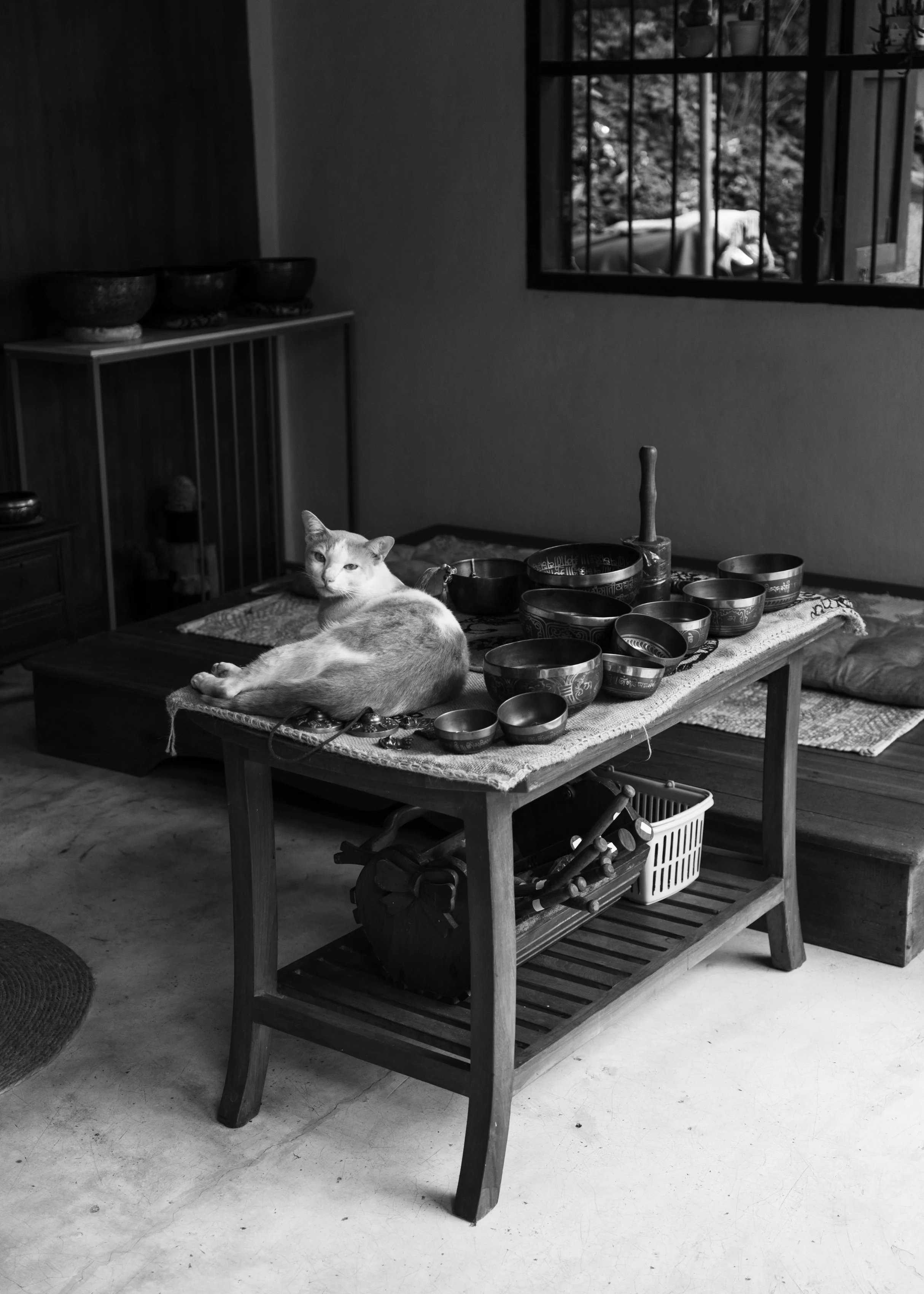
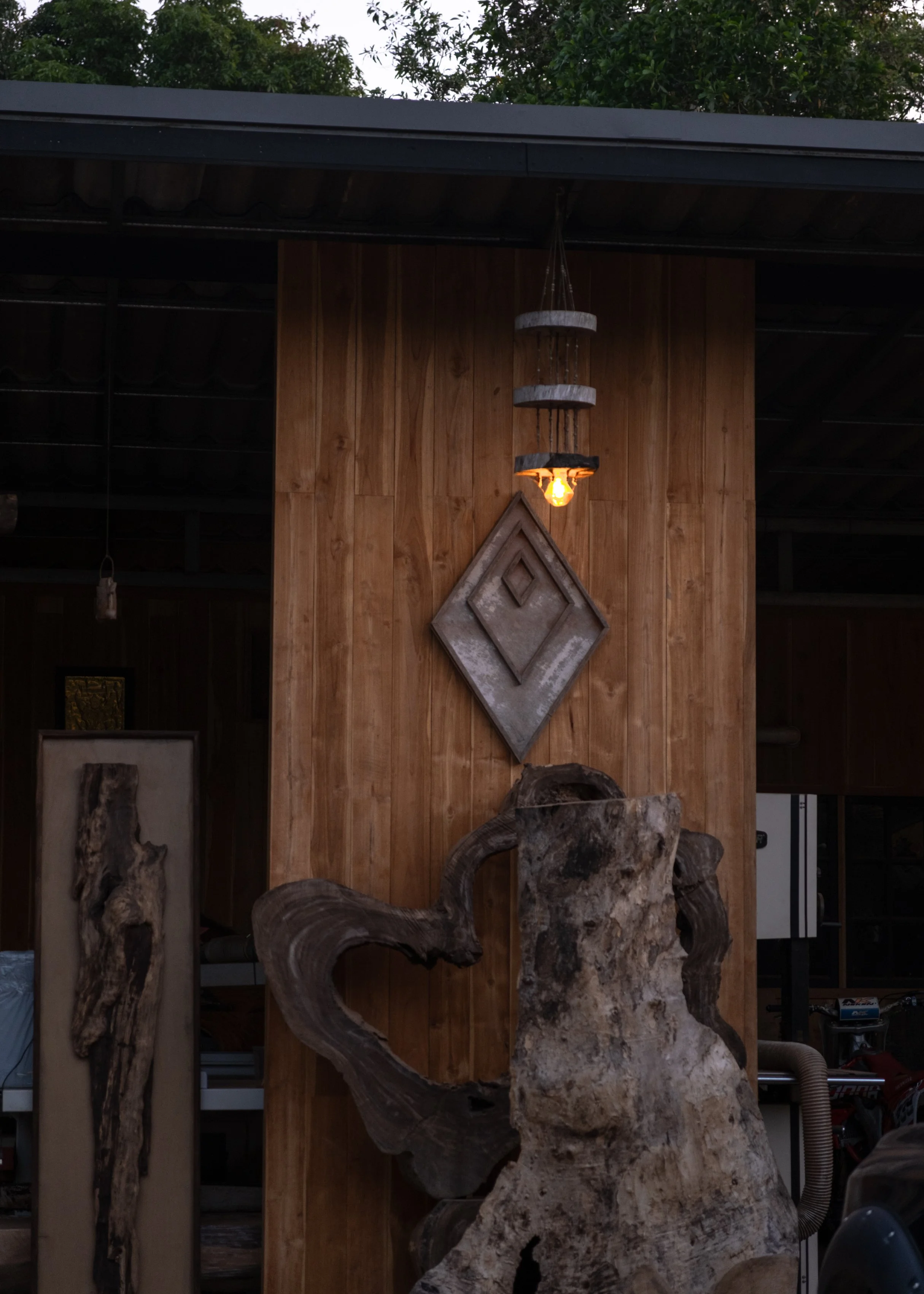
Guests increasingly describe what they want as “authentic.”
Often, what they mean is not tradition.
They mean alignment.
They want a place where:
The building fits the climate.
The materials belong to the landscape.
The scale feels appropriate.
The rhythms feel local.
Alignment is perceptible.
So is imitation.
If hospitality depends on landscape and culture for its value, should it not also be responsible for their continuity?
Not through branding.
Through structure.
Through building decisions.
Through sourcing decisions.
Through scale decisions.
Perhaps the future of hospitality will not be defined by luxury level, but by contribution.
Can a hotel leave its surroundings stronger than it found them?
That may be the real measure of long-term value.